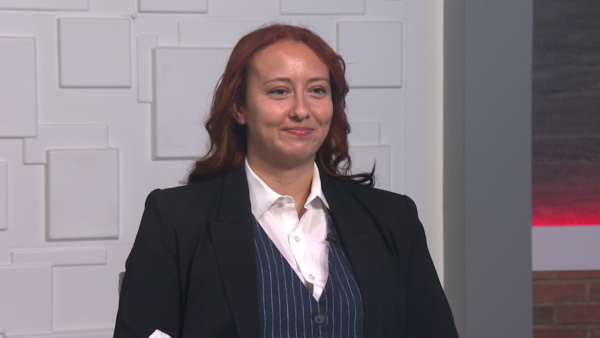
June is PTSD awareness month, a time dedicated to shedding light on the lasting impacts of trauma, and the challenges some veterans face after their military service. For Vietnam Veteran, Frank White, those challenges are personal. White says the memories that continue to haunt him are not from his years as a police detective, but from what he witnessed while serving overseas.
White’s family has also experienced the devastating impact of PTSD. His son, also a military veteran, committed suicide after returning from deployment. Since then, White has made it his mission to support fellow veterans and speak openly about mental health struggles.
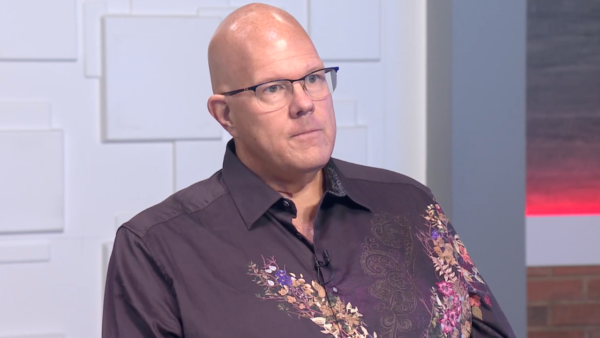
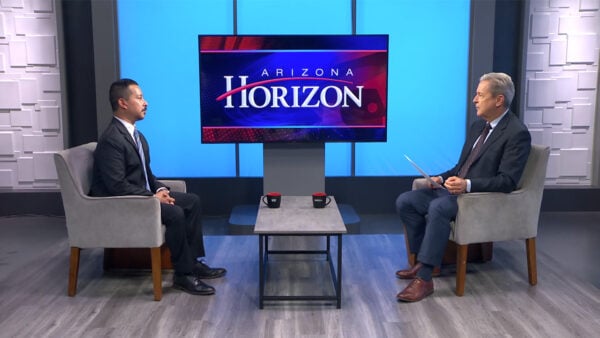
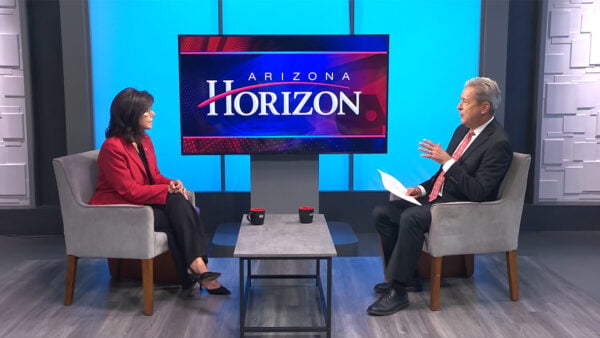
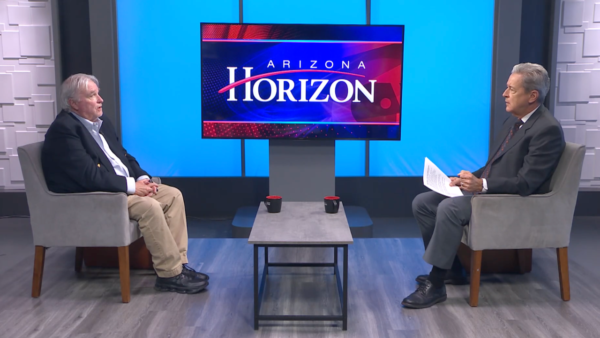
White joined “Arizona Horizon” to discuss his lifelong struggle with PTSD, the loss of his son following military deployment and why he has made it his mission to help other veterans facing mental health challenges.
White shared how he noticed how his trauma began to affect him in ways he was not aware of.
“I realized that I was horrified by what I saw and what had happened. And it struck me, and I was having nightmares. I was having… I couldn’t believe what had happened,” White said.
In talking about his experience living with trauma, White said he “learned to deal with it”.
White’s second wife and his father were both people who provided help and support to him. He also discussed other things and resources that have helped him.
“Music was always an outlet for me, of all things. I did seek help with the VA, and I still get help today with the VA. And, I’m not ashamed to say the VA has helped me quite a bit with some of my stresses and things like that,” White said.
White said that his son wanted to follow in his footsteps and he joined the U.S. Navy. White’s son got injured aboard a ship and was later honorably discharged because of his medical conditions.
White said that he saw part of himself in what his son was going through after he was discharged. White and other family members would try to be there as a support for him.
“He estranged himself from his sisters, his nieces, his nephews would try to work with him, but he was just angry. He was mad at the world for what happened,” White said.
Now helping veterans through their trauma, White talked about in short what needs to happen moving forward.
“If we can change one thing, it’s okay to ask for help,” White said.